Design and implementation cooperation
As an engineer with practical experience in the fireplace industry, I am looking for opportunities for cooperation in ambitious projects. My offer is addressed to manufacturers and design offices that need support in the field of:
- development of new product lines (steel, water and gas cartridges).
- modernization of existing structures in order to increase thermal efficiency.
- Preparation of production files (DXF, sheet development, material lists).
My portfolio on this site is proof that I can combine an architectural vision with the strict requirements of thermal engineering. I am open to contractual work or permanent cooperation in the development of modern heating technologies.
technical skills
- CAD design: Creating complete 2D/3D technical documentation (SolidWorks / FreeCAD / AutoCAD / LibreCAD).
- Optimization of the combustion process: Designing exhaust afterburning systems, clean glass and air supply.
- Prototyping and tests: Experience in prototype construction and preparation of devices for certification (Ekoprojekt / BIMSCHV STUFE 2).
- Production technology: Knowledge of laser cutting processes, CNC bending and boiler steel welding.
“AQUALIFE 75” Design of a fireplace insert with a water jacket
- Project objective: Maximizing thermal efficiency and increasing heat dissipation while maintaining low fuel consumption.
- Effect: High energy efficiency in accordance with ecodesign standards, while maintaining the compact dimensions of the device.
- Work scope: 3D model, static frame calculations, documentation for CNC production, supervision over the assembly of a prototype.
Design: Personalized water jacket insert (750mm width)
Key features and technical innovations:
- Optimized thermal exchange: Combustion chamber design is designed to maximize heat transfer to the heating medium (waters), while maintaining optimum gas flow dynamics and aesthetics vision of fire.
- Gridless system with ceramic lining: The use of a full, ceramic bottom of the furnace allows for intensive heat accumulation. This translates into a stable, long-lasting and even energy discharge even after the flame is extinguished.
- Fuel efficiency (saving up to 11%): Thanks to the elimination of the grate, the phenomenon of spilling of unburned fuel particles into the ash pan has been limited. Total high temperature biomass burning allows you to reduce wood consumption by 11% compared to traditional constructions.
- Ecology and cleanliness: The high temperature inside the chamber promotes the afterburning of exhaust gases, which significantly reduces dust emissions and makes it easier to keep the glass clean.
“Cisza 60″ Design: Compact fireplace insert (450 mm width) with an optimized combustion chamber.
. Design: Compact fireplace insert (450mm width) with optimized combustion chamber.
- Project objective: Maximizing thermal efficiency and increasing heat dissipation while maintaining low fuel consumption.
- Key solutions:
- Optimization of the furnace geometry: Changing the shape of the chamber in order to improve the dynamics of exhaust gas flow.
- Increasing the combustion temperature: The use of innovative accumulation materials, which results in the burning of particulates.
- Increased convection: Redesign of the heat exchanger for more efficient transmission of energy to the environment.
- Effect: High energy efficiency in accordance with ecodesign standards, while maintaining the compact dimensions of the device.
- Project objective: Maximizing thermal efficiency and increasing heat dissipation while maintaining low fuel consumption.
- Effect: High energy efficiency in accordance with ecodesign standards, while maintaining the compact dimensions of the device.
- Work scope: 3D model, static frame calculations, documentation for CNC production, supervision over the assembly of a prototype.
Design: TEPLI 60 - Innovative high-efficiency convection cartridge
Design: TEPLI 60 - Innovative high-efficiency convection cartridge
Advanced engineering solutions:
- Modular ceramic lining: Innovative combustion chamber design protected by a proprietary modular system. It allows you to replace only worn elements, which drastically reduces service and operating costs.
- Optimized thermodynamics: The furnace geometry has been designed taking into account flow resistance, which ensures maximum heat transfer while maintaining natural flame dynamics.
- Gritless technology and ecology: Total fuel burning on the ceramic bottom, which, combined with precise air dosing, makes the device extremely economical and environmentally friendly.
- Maximization of the heating surface: Dense body fins and a unique heat sink in the flue (convection tube passing through the smoke) were used, which significantly increases the efficiency of heat recovery from exhaust gases.
- Patented "One-Lever" controls: proprietary system of control of the primary and secondary air intake with a single cable, ensuring intuitive and precise control of the combustion process.
- Integrated thrust control: Built-in sunroof and optimized flue diameter guarantee stable operation in various chimney conditions.
- Comfort and design: Improved "clean glass" system and adjustable feet for precise assembly.
Technical Summary: Thanks to the smaller volume of the combustion chamber and advanced automation of air distribution, the TEPLA 60 cartridge achieves the parameters of high energy efficiency while maintaining a perfect fire vision.
Implementation of fireplace inserts
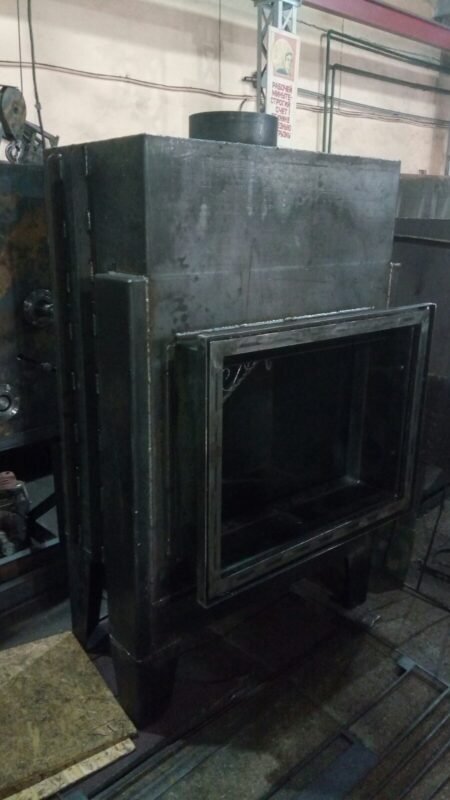
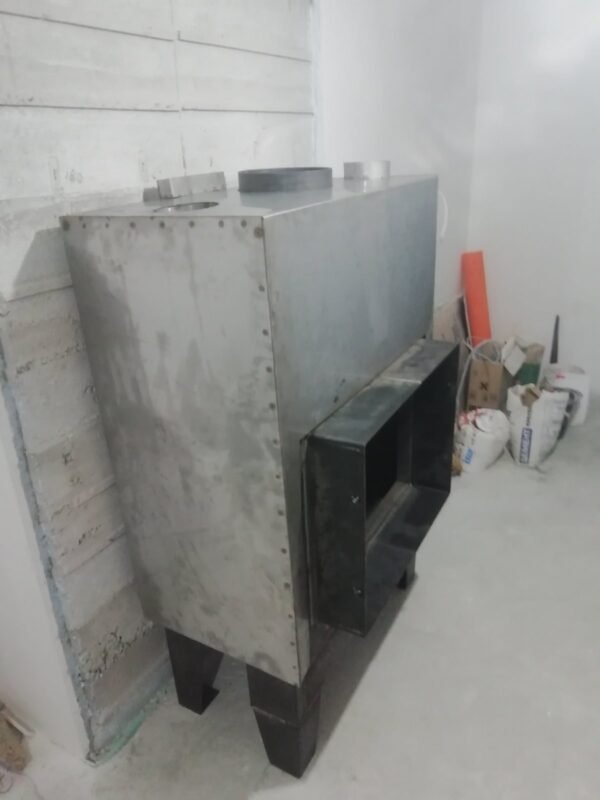
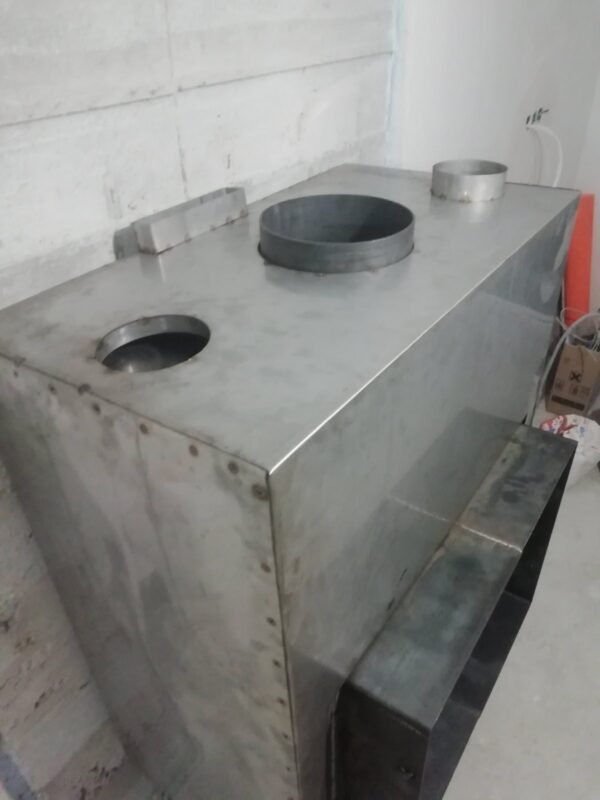
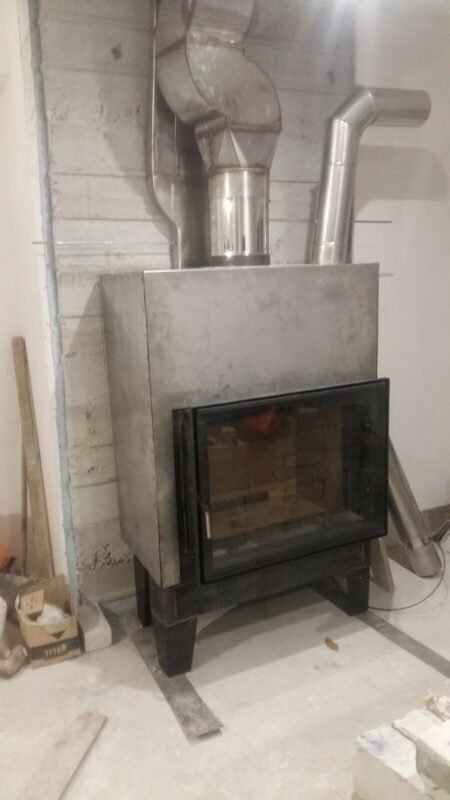
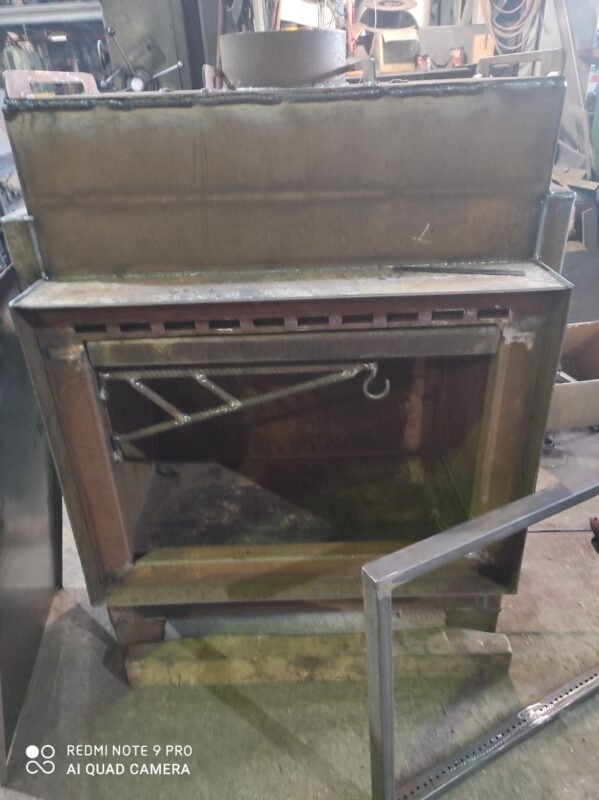
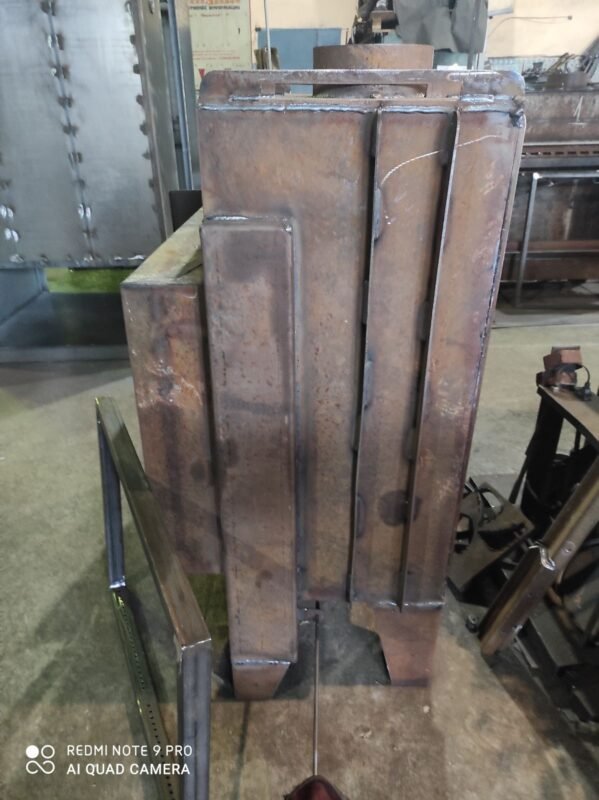
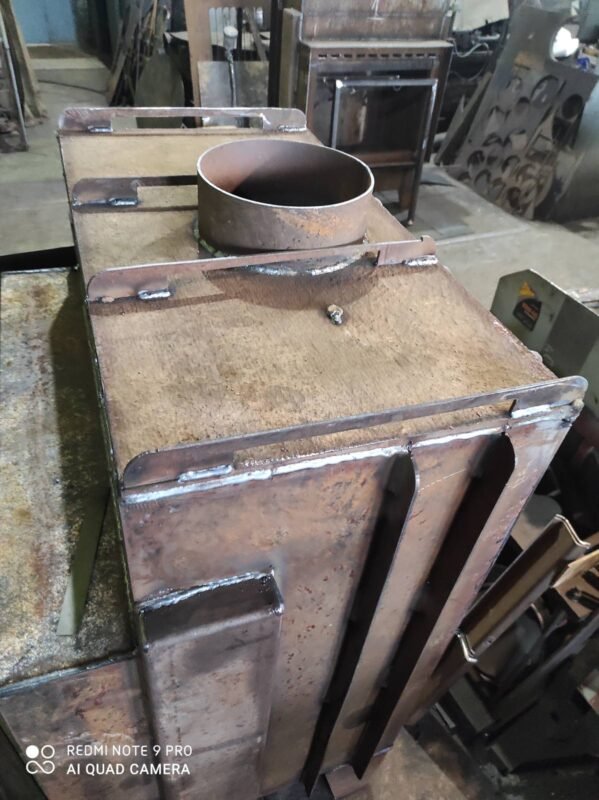
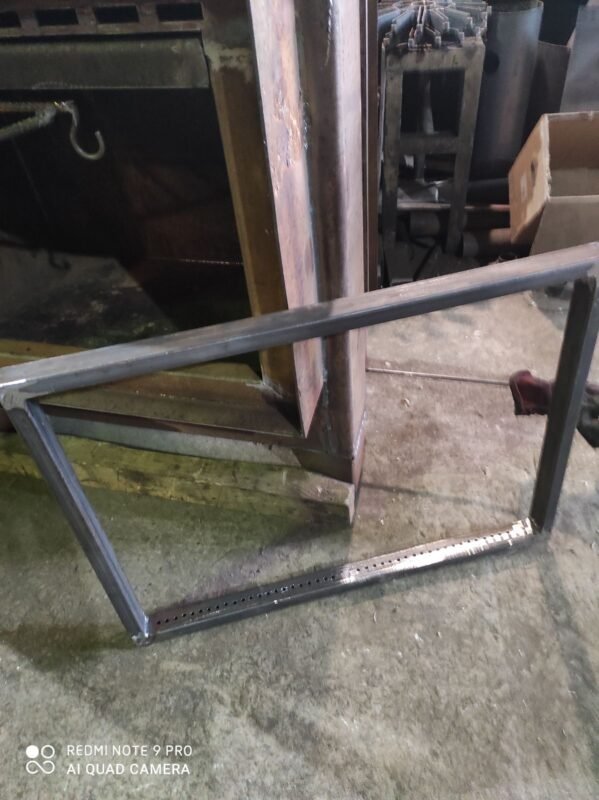
Quality control and final assembly of prototypes
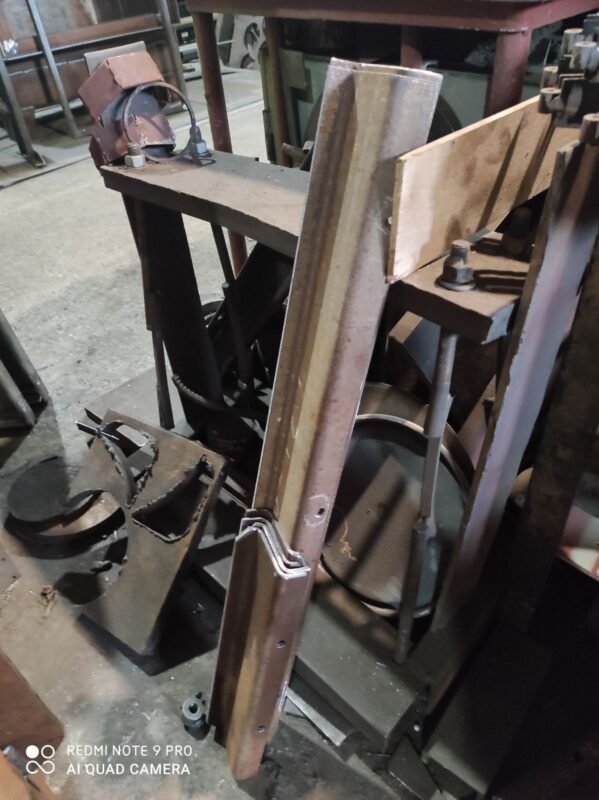
The last stage of production is the final assembly, during which all components, from the door closing mechanism to the intake control systems, are subjected to rigorous efficiency tests. Each prototype undergoes tightness tests and verification of the operation of mechanical systems, which allows the detection of any anomalies before the serial implementation of the model. In fact, it is this stage that allows engineers to make the latest optimization adjustments in the frame design or regulatory feet. As a result, the final product leaving the production line is fully refined in terms of ergonomic and assembly.
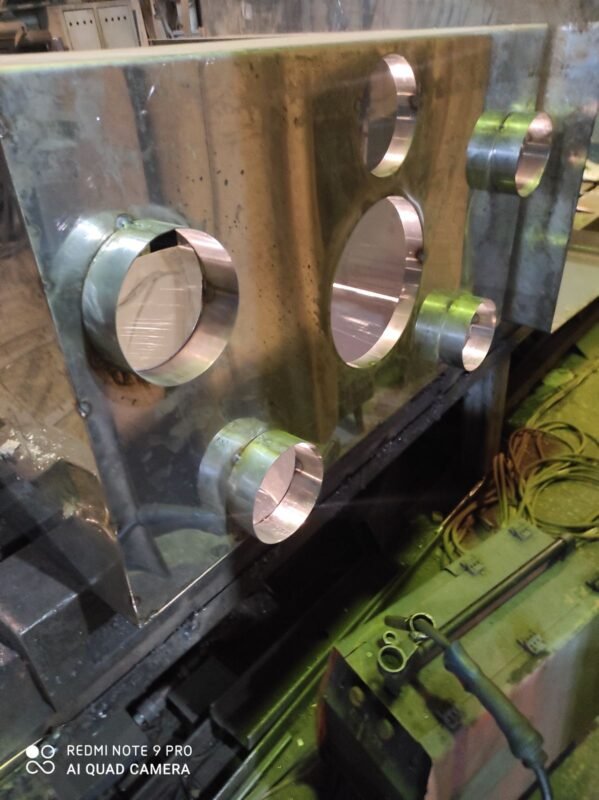
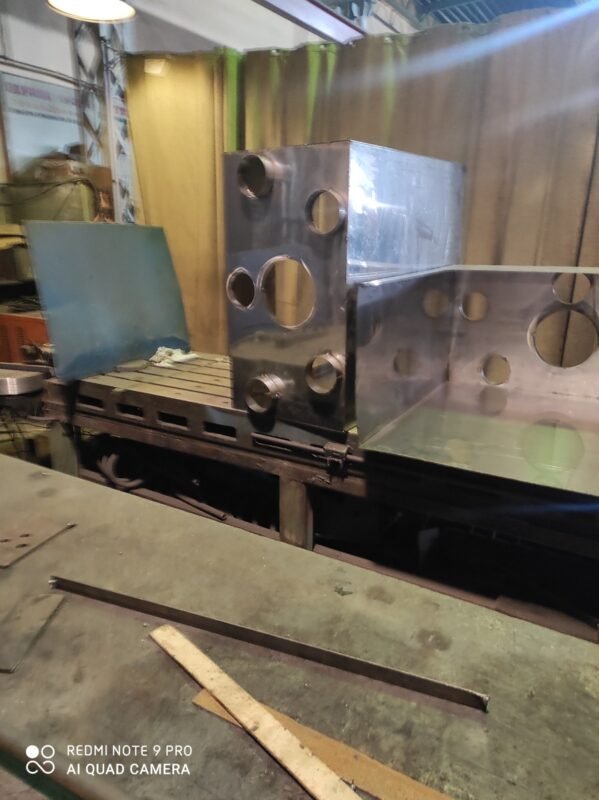
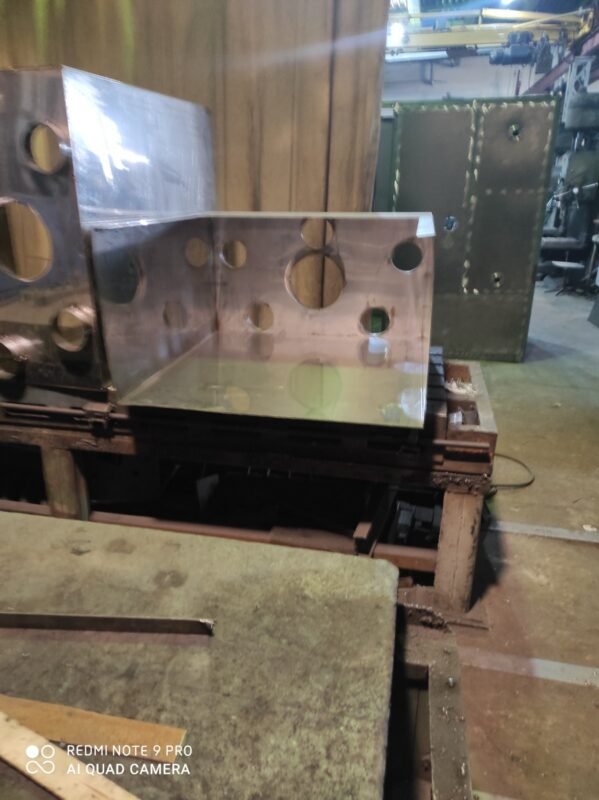
Manufacture of fireplace inserts